November 25, 2026
Why Code Compliance Is Central to Septic Engineering and Design in Wantage NJ
By @dallascjfv645
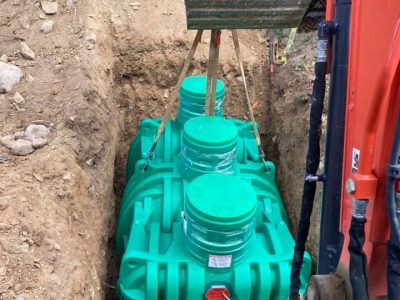
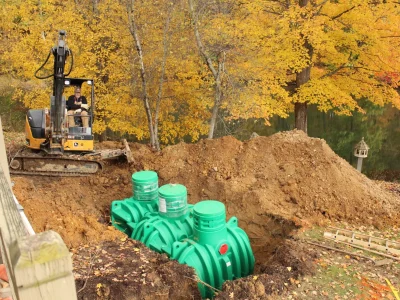

A septic system is easy to ignore when it works well. Flush, drain, repeat, and the whole thing disappears below grade. That invisibility is exactly why code compliance matters so much. When the design is wrong, when field conditions are misunderstood, or when a system gets installed outside the standards that govern it, the problems stay hidden until they become expensive, unsanitary, and hard to reverse.
In Wantage, NJ, septic work is not simply a matter of picking a tank size and placing a disposal field somewhere in the backyard. It is an engineered response to land, soil, water, slope, building use, and regulatory requirements. The rules are there because Sussex County properties can vary dramatically from one lot to the next. A site that looks roomy and straightforward on the surface may have limiting soils, seasonal high groundwater, shallow bedrock, or setback constraints that narrow the design options fast.
Anyone serious about septic engineering and design Wantage NJ has to start from that reality. Compliance is not paperwork at the end of the job. It is the framework that shapes the investigation, the layout, the sizing, the approvals, the installation, and the long-term performance of the system.
Code compliance is really about risk management
People sometimes hear “code” and think of bureaucracy. On septic projects, that is the wrong lens. The better lens is risk.
A properly designed septic system manages wastewater without exposing people, wells, surface water, neighboring properties, or the soil treatment area itself to unnecessary risk. The code exists to reduce the chance of failure under normal use and predictable site conditions. That means minimum setbacks are not arbitrary. Separation distances from wells, property lines, structures, and water features protect drinking water and preserve access for repairs. Requirements for soil testing are not red tape. They are the basis for deciding whether the ground can accept and treat effluent safely.
I have seen more than one property owner focus on the visible costs of compliance while underestimating the cost of getting it wrong. A few thousand dollars saved by rushing site work, skipping a needed analysis, or trying to “make” a layout fit can turn into tens of thousands in redesign, reconstruction, legal delays, or a failed real estate transaction. On one level, compliance keeps regulators satisfied. On a much more practical level, it protects the owner from building a system that cannot perform on that site.
Wantage is not a place for cookie-cutter septic design
Wantage sits in a part of New Jersey where land conditions can be deceptively varied. Two lots on the same road may behave very differently once the investigation starts. One might have suitable native soils with enough depth and separation to support a conventional design. The next might present restrictive horizons, seasonal wetness, sloping terrain, or rock closer to the surface than the owner expected.
That local variation is exactly why code compliance belongs at the center of the engineering process. Septic rules are intended to force site-specific decisions. An engineer cannot responsibly design from tax maps, aerials, or assumptions carried over from the neighboring parcel. Field data matters.
This is where good septic engineering and design Wantage NJ separates itself from generic plan production. A competent designer looks at the actual conditions, interprets the constraints honestly, and develops a system that fits the property and the code at the same time. If those two things cannot be made to align with the owner’s first preference, the answer is not to force the design. The answer is to adjust the concept.
Sometimes that means relocating the home footprint before construction begins. Sometimes it means planning for a different disposal method. Sometimes it means preserving a reserve area that reduces landscaping options now but avoids a crisis later. Those are not glamorous decisions, but they are the difference between a system that remains an asset and one that becomes a recurring liability.
Soil and water conditions drive everything
No part of septic design is more fundamental than understanding what lies below the surface. Wastewater treatment on a septic property depends heavily on the soil’s ability to accept effluent, move it at an appropriate rate, and provide natural treatment before that water reaches groundwater.
That is why subsurface evaluation is not something to breeze through. Soil logs, permeability information where required, topographic review, and identification of seasonal high water conditions are central to a defensible design. If a lot has mottling, perched water, or evidence of periodic saturation, the design must account for that. If there is shallow bedrock, limited usable area, or an awkward slope break, those conditions can rule out some options and elevate others.
Codes do not just ask whether wastewater can be disposed of. They ask whether it can be disposed of safely over time. A disposal field that looks fine in August may reveal very different behavior during a wet spring. That gap between appearance and actual performance is one of the main reasons compliance standards exist.
An experienced engineer knows that the field investigation is where many future headaches can be prevented. If the test area is chosen carelessly, if the logs are incomplete, or if site constraints are glossed over, every downstream decision gets weaker. The drawing might still look tidy on paper, but the built system may be unforgiving once occupancy starts.
The code shapes more than tank size and trench length
Homeowners often assume compliance is mostly about capacity. They picture the code as a formula tied to bedroom count or daily flow, and that is part of it, but only part. In practice, the rules influence nearly every dimension of the work, from where the system can go to how it must be built and protected.
The most important areas that code usually governs include:
- System sizing based on expected flow or building use
- Setbacks from wells, structures, property lines, and water resources
- Vertical separation to limiting layers such as groundwater or rock
- Acceptable construction methods and approved materials
- Reserve area requirements for future replacement or repair
Each one of those points has practical consequences on a Wantage property. A lot with a perfectly adequate primary field area may still be difficult if the reserve area cannot be accommodated. A site with room for a tank may fail on setbacks for the disposal field. A gentle-looking lawn may still be disqualified by subsurface conditions that leave insufficient treatment depth.
Good engineering comes from balancing those factors early, not discovering them one at a time after the house location, driveway, grading plan, and utilities are already fixed.
Why local approval pathways matter
Septic compliance is never just a matter of good technical design. The design has to move through the proper review channels, and in New Jersey that often means coordination with local health authorities and other relevant agencies depending on the project. Even a strong design can lose time if the permitting path is misunderstood or if the submittal package leaves unanswered questions.
This is one reason experienced professionals do not treat permitting as an afterthought. The narrative, field data, calculations, plan set, notes, and supporting documents have to tell a consistent story. If the plan shows one thing, the test results suggest another, and the grading creates a third issue, reviewers will stop the process until the discrepancies are resolved. That is not hostility. That is exactly what they should do.
For a property owner, the practical lesson is simple. You do not want an engineer who views compliance review as an obstacle to be muscled through. You want one who understands what reviewers need to see and who can present the design clearly from the start. That saves time, reduces revisions, and usually leads to a better project.
Compliance protects drinking water, not just the system itself
In rural and semi-rural areas, the relationship between septic design and drinking water is direct. Many properties rely on private wells. That means the quality of wastewater treatment on one parcel can affect the water security of that parcel and, in some cases, nearby lots. This is why setbacks and treatment requirements deserve respect.
When a system is undersized, placed too close to a well, installed in unsuitable soils, or built with inadequate separation from groundwater, the risk is not merely premature field failure. The larger issue is the potential movement of inadequately treated effluent through the subsurface. That can create public health concerns that extend beyond one household’s repair budget.
This is also why “close enough” is a dangerous phrase in septic work. A few feet lost to an oversized patio, a changed driveway alignment, or an unapproved grading tweak can compromise a layout that only worked because every distance and elevation was carefully preserved. Septic systems are less tolerant of casual field changes than many owners realize.
Real design judgment shows up in the hard lots
Easy lots rarely tell you much about an engineer. The real test comes when the property has competing constraints.
Imagine a sloped parcel where the proposed house location, driveway, well, and septic field all want the same usable area. The owner wants to maximize the backyard. The builder wants the shortest utility runs. The grader wants simpler earthwork. The code still requires the same separations, reserve area, and subsurface performance. That is where design becomes an exercise in disciplined trade-offs.
Sometimes the best answer is moving the house thirty feet. Owners may resist that at first because the original footprint feels settled. But if that shift creates a more workable septic envelope, preserves repair area, reduces pump dependence, and avoids aggressive grading near the field, it may be the smartest move on the entire project.
Other times the right call is to recommend a more advanced or site-adapted system instead of forcing a conventional layout where it does not belong. That can raise upfront cost, but if it produces a code-compliant system matched to the site, it is often the more economical choice over the life of the property.
What matters is that those decisions are grounded in real conditions and code requirements, not wishful thinking.
Installation is where compliant designs often get damaged
A septic system can be well designed and still fail if the installation does not protect the assumptions built into the plan. This is one of the most common weak points in the field.
The disposal area may be staked properly, then compacted by equipment traffic. Imported materials may differ from the approved specification. Excavation may go too deep and disturb native soils meant to provide treatment. Final grading may redirect runoff toward areas that were supposed to stay protected. Tanks and piping may get set correctly while elevations in the field drift just enough to create long-term performance issues.
None of these problems are theoretical. They happen on real projects, especially when schedule pressure is high and multiple trades are working the same site.
The most frequent compliance-related installation failures tend to be:
- Disturbance or smearing of the treatment area during excavation
- Field changes made without engineering review or regulatory approval
- Poor elevation control that affects flow and distribution
- Damage to reserve areas from construction traffic or later site improvements
- Missing documentation or inspections required before backfilling
This is where owners sometimes misunderstand the role of observation and signoff. Oversight is not ceremonial. It is how the engineer and the authority septic engineering and design Wantage NJ having jurisdiction verify that the system built in the ground matches the system approved on paper. If that chain breaks, the owner may inherit a system that looks complete but lacks a reliable compliance record.
Repairs, additions, and property improvements can trigger new issues
Code compliance does not end once the original installation is complete. Septic systems are affected by what happens to the property years later.
A home addition can increase design flow. A finished basement with extra fixtures can change the functional load on the system. A new pool, patio, detached garage, or driveway expansion can intrude on the field area or reserve area. Even tree planting and drainage modifications can alter site performance if done carelessly.
This is especially relevant in older properties around Wantage, where existing systems may predate current expectations or where original records are incomplete. Owners often assume they can upgrade the house first and sort out septic questions later. That sequence creates trouble. In many cases, the septic constraints should be reviewed before the architectural plan is finalized. Otherwise, a homeowner can spend time and money designing an addition that cannot be approved without major septic changes.
When professionals talk about protecting the septic envelope, this is what they mean. The compliant design is tied not only to what was built but to what remains available and undisturbed for ongoing use and future replacement.
Buyers and sellers ignore compliance at their own risk
Real estate transactions have a way of exposing septic issues that everyone hoped would stay quiet. Missing permits, unapproved alterations, vague system locations, and uncertainty about repair area can all become serious obstacles when a property is sold.
For buyers, a septic review is not just a box to check. It is a way to understand the property’s functional limits. Can the house support future expansion? Is there evidence of proper approvals? Is the system age and type consistent with the documentation? Are there signs that the lot was built close to its septic constraints from the start?
For sellers, strong records matter. Approved plans, inspection documentation, maintenance records, and clear as-built information can make the difference between a smooth sale and a delayed one. Compliance has value because it reduces uncertainty. In a rural market, uncertainty carries a price.
Cost is part of compliance, but not the whole story
There is no point pretending septic compliance is free. Detailed site investigation, engineering, permitting, and proper construction all cost money. On constrained lots, that cost can rise quickly. But the cheapest-looking path is often the most expensive when viewed over the full life of the system.
A compliant design does several things at once. It lowers the chance of premature failure. It supports approval and financing. It protects property value. It reduces the risk of emergency repairs in bad weather or during a home sale. It also preserves options, especially when a reserve area is maintained and the original design is well documented.
That last point matters more than people expect. A property with a clear compliance history is easier to service, evaluate, modify, and transfer. A property with a murky history tends to cost more every time a new question arises.
What homeowners should expect from a serious septic design process
A thoughtful process is not flashy, but it is methodical. The engineer should be focused on septic engineering and design Wantage NJ the actual site, not selling a standard answer before field data is in hand. Questions about well location, grading, future additions, reserve area, drainage, and construction sequencing are all signs of a careful approach.
On a Wantage project, a strong septic design process usually involves close attention to the buildable envelope, realistic coordination with the rest of the site plan, and plain-spoken communication about what the lot can and cannot support. If the site has constraints, you want to hear that early. Good professionals do not hide the hard parts. They explain them.
That is especially important for owners comparing proposals. The lowest design fee does not always buy the most value. If one consultant is spending the time to understand the site, coordinate the approvals, and protect the owner from avoidable conflicts, that effort will usually pay for itself.
Why compliance sits at the center of good septic engineering
The best septic systems are not just engineered to function. They are engineered to function within the legal, environmental, and physical realities of the property. In Wantage, where site conditions can shift from favorable to difficult over short distances, that distinction matters.
Code compliance is what keeps septic design honest. It forces the investigation to be thorough, the calculations to be supportable, the layout to respect setbacks and subsurface conditions, and the installation to match the approved plan. It protects groundwater, wells, property value, and future usability. It also gives owners something they rarely appreciate until problems arise: confidence that the system under their yard was designed for the land they actually own, not the land someone hoped it was.
That is why septic engineering and design Wantage NJ cannot be separated from compliance. They are not parallel concerns. They are the same conversation, one technical and one regulatory, both aimed at the same outcome: a system that works safely, predictably, and for the long haul.
Excavating New Jersey LLC
406 County Road 565
Wantage, NJ 07461
(973) 791-4284
FAQ About septic engineering and design Wantage NJ
Who can design a septic system?
A New Jersey licensed professional engineer can assess the property and prepare the design. The local administrative authority can explain the applicable submission and permit requirements.
Why would I need an engineered septic system?
Soil conditions, groundwater, setbacks, lot size, or the expected wastewater flow can affect which designs are suitable. A site evaluation helps identify options for the property.
How much does it cost for an engineer to design a septic system in NJ?
Costs vary with site conditions, testing, surveying, and the scope of the design. Ask for an itemized quote that separates engineering, tests, permits, and installation.
❧